Nature Based Beekeeping
INTRODUCTION
Nature-based beekeeping is an approach that places ecological balance and local practice at the centre of apiculture development. Unlike conventional hive-donation projects that often fail due to weak project logic and limited technical training, nature-based beekeeping emphasizes working with nature, indigenous knowledge aligned with improved standards, and locally available materials to create sustainable systems.
By integrating beekeeping with land restoration, bee-friendly agriculture, and horticulture, this method strengthens pollination services, supports biodiversity, and generates resilient income streams for rural communities. It bridges improved technical standards with indigenous knowledge, ensuring that beekeeping contributes not only to honey production but also to forest conservation, food security, and long-term livelihood improvement.
Core Principles of Nature-Based Beekeeping
Use of Local Materials
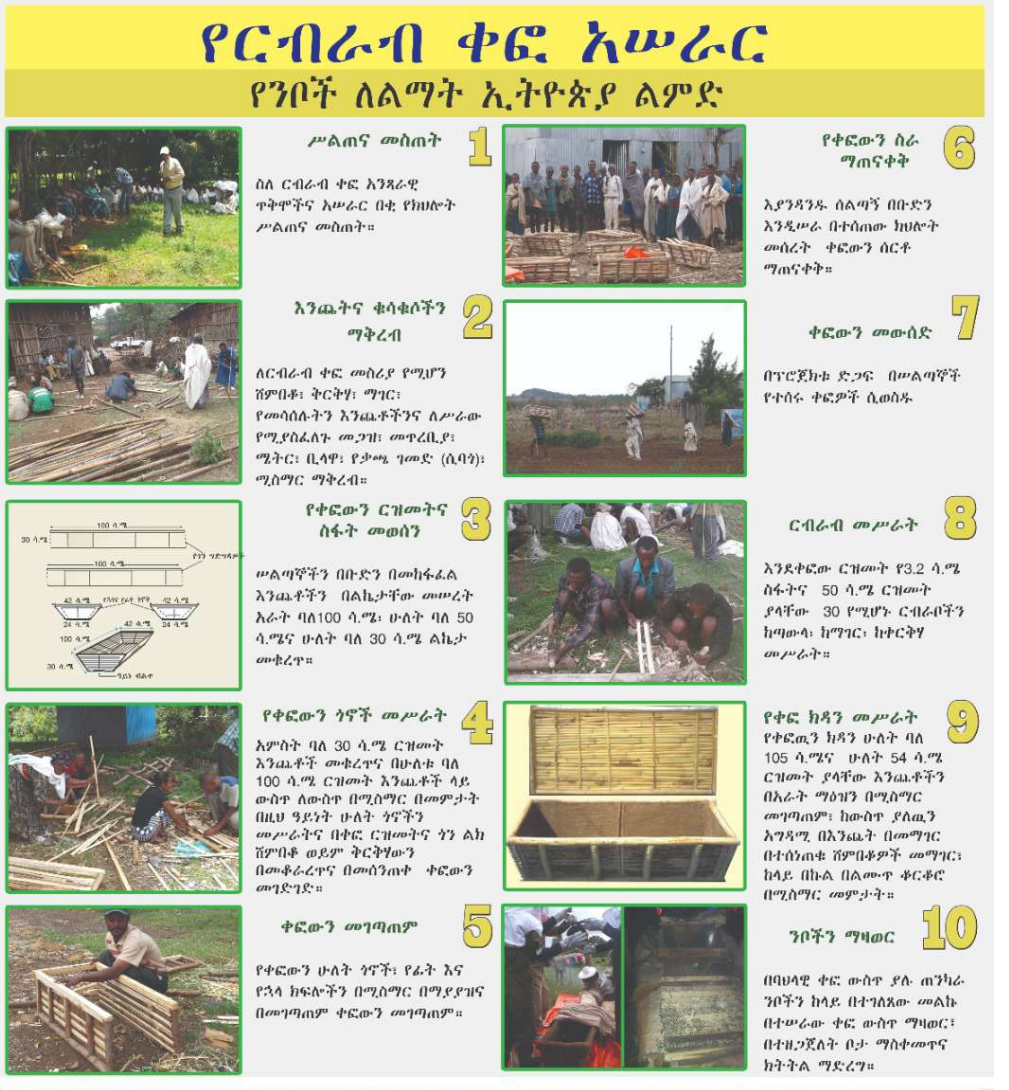
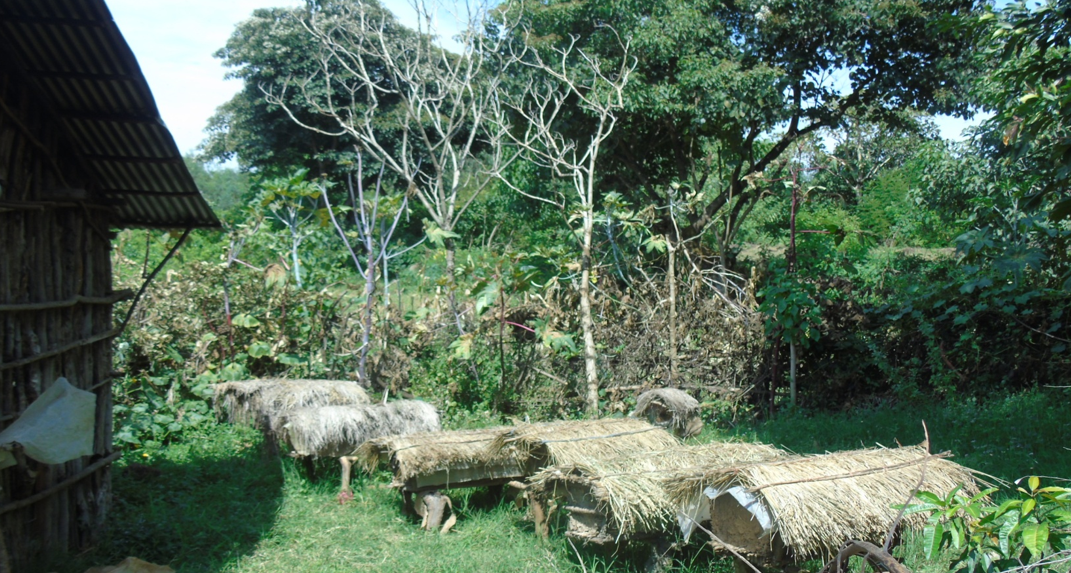
Hives and equipment are constructed from locally available, affordable, and sustainable resources, reducing dependency on external donations. Woven and top-bar hives are kind of hives which can be easily prepared by beekeepers’----- no special skill needed to make the hive to start beekeeping as well as to increase number of hives. Therefore, through nature based beekeeping everyone can be a beekeeper including the poor segment of the community because it is a matter of using available resources around.
Biodiversity Restoration and Conservation
Beekeeping is tied to land restoration, agroforestry, and horticulture, enhancing biodiversity and ecosystem services. Restored forests, agroforestry plots, and rehabilitated farmlands provide diverse nectar and pollen sources, which strengthen colony health and productivity. In return, honeybees enhance pollination, accelerating the regeneration of native trees, shrubs, and wildflowers, thereby stabilizing soils and improving ecosystem resilience. This reciprocal relationship not only conserves biodiversity but also creates sustainable livelihoods: communities benefit from honey and other products sales while simultaneously safeguarding forests and farmlands. By linking beekeeping with land recovery, nature-based beekeeping transforms beekeepers into upholders of biodiversity, ensuring that economic gains are inseparable from ecological stewardship.
Community Empowerment
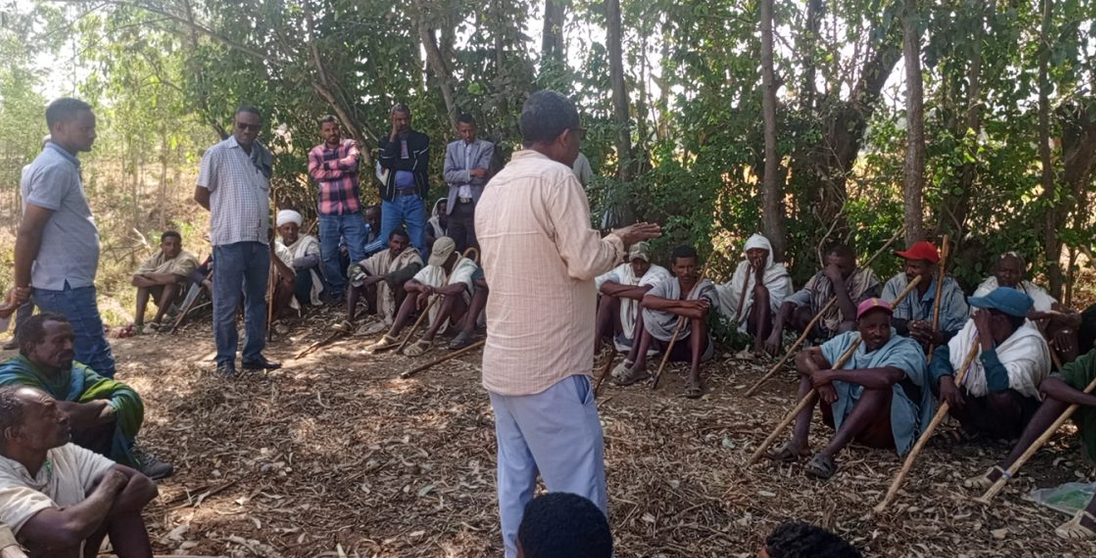
Nature-based beekeeping is not just about bees and hives—it is about strengthening communities through knowledge, ownership, and participation. Instead of relying on external hive donations, this approach equips local people with the skills to construct hives from available materials, manage colonies, and harvest honey responsibly. Training programs emphasize practical, hands-on learning, enabling youth, women, and marginalized groups to become active participants in beekeeping. By fostering cooperative structures, communities can pool resources, share experiences, and collectively market honey, ensuring fair income distribution. Empowerment also extends to decision-making that communities are encouraged to design apiary sites, integrate beekeeping with land restoration, and monitor biodiversity outcomes. This builds confidence, resilience, and a sense of custodianship, transforming beekeepers into agents of ecological stewardship and economic development.
Resilience and Inclusivity
Designed to strengthen rural livelihoods, involve youth and women, and build resilience against environmental and economic shocks.
Technical Components
Beehives
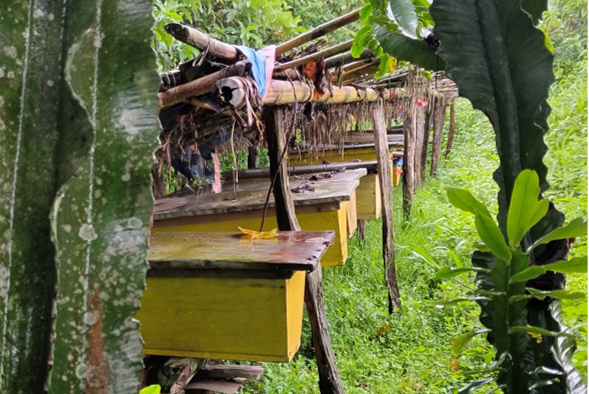
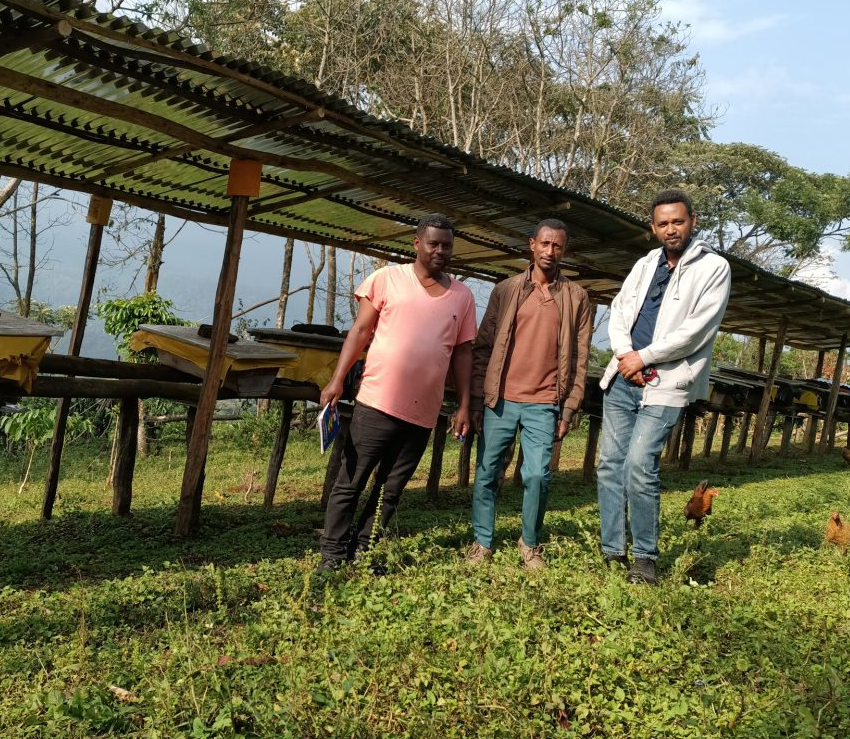
Top-bar hives, log hives, bamboo woven hives and other locally adapted models are a kind of hives which are easy to make using locally available materials. Beekeepers can craft hives from bamboo, eucalyptus, or clay, woven grasses and others. Bee hives are designed in a way that suitable for bees.
Apiary Sites
Apiary sites should support biodiversity restoration — for example, placing hives near reforested areas, agroforestry plots, or mixed horticulture fields. Avoid heavy pesticide use; bees thrive in organic or low-chemical landscapes. Nature based beekeeping encourage pollination corridors by linking apiaries with diverse plantings, which benefits both bees and local crops.
Working with bees
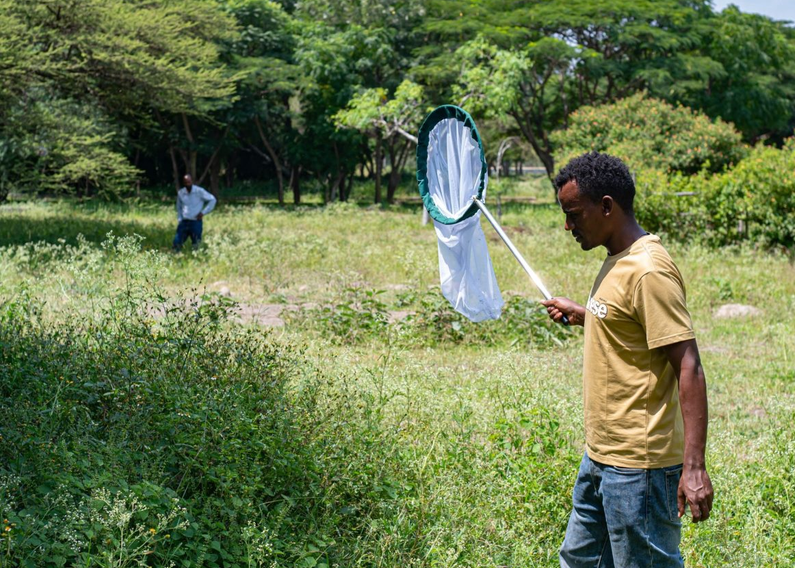
Encourage bees to reproduce naturally through swarming. Catch swarms from the wild or from managed colonies to start and expand beekeeping while simple colony splitting is an added easy technique to do as an approach. Rely on strong genetics and natural resistance rather than chemicals. Maintain clean hives and avoid overcrowding to reduce stress and disease spread among the bee hives.
Working with nature
The pivotal component of nature based beekeeping is land restoration and biodiversity conservation works in a way that ecological restoration can support beekeeping livelihood in a sustainable way. Thus, planting nectar and pollen source trees helps bees to get food source for good honey yield. Beekeepers play a crucial role in forest conservation by making forests economically valuable through honey production, while simultaneously supporting biodiversity through pollination and sustainable land use. Their work links livelihoods with ecological stewardship, ensuring that communities protect forests instead of clearing them.
Economic & Social Benefits
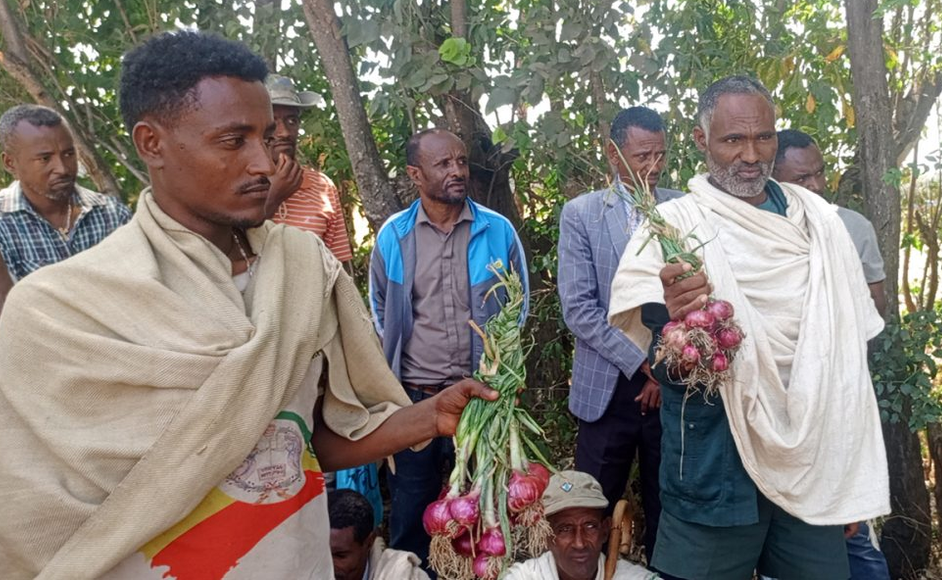
Nature-based beekeeping generates sustainable income by producing high-quality honey, beeswax, and other hive products that can be marketed locally or through traceable eco-honey supply chains. Because hives are made from local materials and colonies thrive in restored ecosystems, production costs remain low while returns are steady. Beyond income, beekeeping strengthens food security by improving pollination for crops, fruits, and vegetables, leading to higher yields and diversified diets. Socially, it empowers rural communities by creating opportunities for youth and women, fostering cooperative enterprises, and building resilience against environmental and economic shocks. The collective nature of training, hive-making, and marketing also enhances social cohesion, encouraging communities to work together in conserving forests and biodiversity while sharing the benefits of apiculture. In this way, economic gains are directly tied to ecological stewardship, ensuring that livelihoods and conservation progress hand in hand.
Nature-based beekeeping is an approach that places ecological balance and local practice at the centre of apiculture development. Unlike conventional hive-donation projects that often fail due to weak project logic and limited technical training, nature-based beekeeping emphasizes working with nature, indigenous knowledge aligned with improved standards, and locally available materials to create sustainable systems.
By integrating beekeeping with land restoration, bee-friendly agriculture, and horticulture, this method strengthens pollination services, supports biodiversity, and generates resilient income streams for rural communities. It bridges improved technical standards with indigenous knowledge, ensuring that beekeeping contributes not only to honey production but also to forest conservation, food security, and long-term livelihood improvement.
Core Principles of Nature-Based Beekeeping
Use of Local Materials
Hives and equipment are constructed from locally available, affordable, and sustainable resources, reducing dependency on external donations. Woven and top-bar hives are kind of hives which can be easily prepared by beekeepers’----- no special skill needed to make the hive to start beekeeping as well as to increase number of hives. Therefore, through nature based beekeeping everyone can be a beekeeper including the poor segment of the community because it is a matter of using available resources around.
Biodiversity Restoration and Conservation
Beekeeping is tied to land restoration, agroforestry, and horticulture, enhancing biodiversity and ecosystem services. Restored forests, agroforestry plots, and rehabilitated farmlands provide diverse nectar and pollen sources, which strengthen colony health and productivity. In return, honeybees enhance pollination, accelerating the regeneration of native trees, shrubs, and wildflowers, thereby stabilizing soils and improving ecosystem resilience. This reciprocal relationship not only conserves biodiversity but also creates sustainable livelihoods: communities benefit from honey and other products sales while simultaneously safeguarding forests and farmlands. By linking beekeeping with land recovery, nature-based beekeeping transforms beekeepers into upholders of biodiversity, ensuring that economic gains are inseparable from ecological stewardship.
Community Empowerment
Nature-based beekeeping is not just about bees and hives—it is about strengthening communities through knowledge, ownership, and participation. Instead of relying on external hive donations, this approach equips local people with the skills to construct hives from available materials, manage colonies, and harvest honey responsibly. Training programs emphasize practical, hands-on learning, enabling youth, women, and marginalized groups to become active participants in beekeeping. By fostering cooperative structures, communities can pool resources, share experiences, and collectively market honey, ensuring fair income distribution. Empowerment also extends to decision-making that communities are encouraged to design apiary sites, integrate beekeeping with land restoration, and monitor biodiversity outcomes. This builds confidence, resilience, and a sense of custodianship, transforming beekeepers into agents of ecological stewardship and economic development.
Resilience and Inclusivity
Designed to strengthen rural livelihoods, involve youth and women, and build resilience against environmental and economic shocks.
Technical Components
Beehives
Top-bar hives, log hives, bamboo woven hives and other locally adapted models are a kind of hives which are easy to make using locally available materials. Beekeepers can craft hives from bamboo, eucalyptus, or clay, woven grasses and others. Bee hives are designed in a way that suitable for bees.
Apiary Sites
Apiary sites should support biodiversity restoration — for example, placing hives near reforested areas, agroforestry plots, or mixed horticulture fields. Avoid heavy pesticide use; bees thrive in organic or low-chemical landscapes. Nature based beekeeping encourage pollination corridors by linking apiaries with diverse plantings, which benefits both bees and local crops.
Working with bees
Encourage bees to reproduce naturally through swarming. Catch swarms from the wild or from managed colonies to start and expand beekeeping while simple colony splitting is an added easy technique to do as an approach. Rely on strong genetics and natural resistance rather than chemicals. Maintain clean hives and avoid overcrowding to reduce stress and disease spread among the bee hives.
Working with nature
The pivotal component of nature based beekeeping is land restoration and biodiversity conservation works in a way that ecological restoration can support beekeeping livelihood in a sustainable way. Thus, planting nectar and pollen source trees helps bees to get food source for good honey yield. Beekeepers play a crucial role in forest conservation by making forests economically valuable through honey production, while simultaneously supporting biodiversity through pollination and sustainable land use. Their work links livelihoods with ecological stewardship, ensuring that communities protect forests instead of clearing them.
Economic & Social Benefits
Nature-based beekeeping generates sustainable income by producing high-quality honey, beeswax, and other hive products that can be marketed locally or through traceable eco-honey supply chains. Because hives are made from local materials and colonies thrive in restored ecosystems, production costs remain low while returns are steady. Beyond income, beekeeping strengthens food security by improving pollination for crops, fruits, and vegetables, leading to higher yields and diversified diets. Socially, it empowers rural communities by creating opportunities for youth and women, fostering cooperative enterprises, and building resilience against environmental and economic shocks. The collective nature of training, hive-making, and marketing also enhances social cohesion, encouraging communities to work together in conserving forests and biodiversity while sharing the benefits of apiculture. In this way, economic gains are directly tied to ecological stewardship, ensuring that livelihoods and conservation progress hand in hand.